Conor Lauesen

I specialize in the world of art, writing, and education.

With more than twenty-years of life experience in Hanoi, I have a unique lens on both language development and cultural fluency. I offer English language coaching with a focus on cultural exchange and linguistic nuance. I speak, read, and write Vietnamese with native level fluency.

In 2008, I received a Fulbright Scholarship to conduct linguistic research in Hà Nội. Subsequently, in 2010, I commenced a graduate program at Yale University--in the History Department with a focus on Southeast Asia, Vietnam specifically. I graduated from Yale in the spring of 2012 with my M.A. in History. Following this, I completed my PhD at Stanford University in 2019 from the History of Art.

I currently teach at the School of the Art Institute in Chicago. My classroom lessons are individually designed to engage a variety of goals. With a focus on writing and speaking skills, I have learned that practice—and consistent repetition—is paramount. With this in mind, I pay close attention to how we can together develop confidence in the classroom; personal expression and mindless fluency is our task.
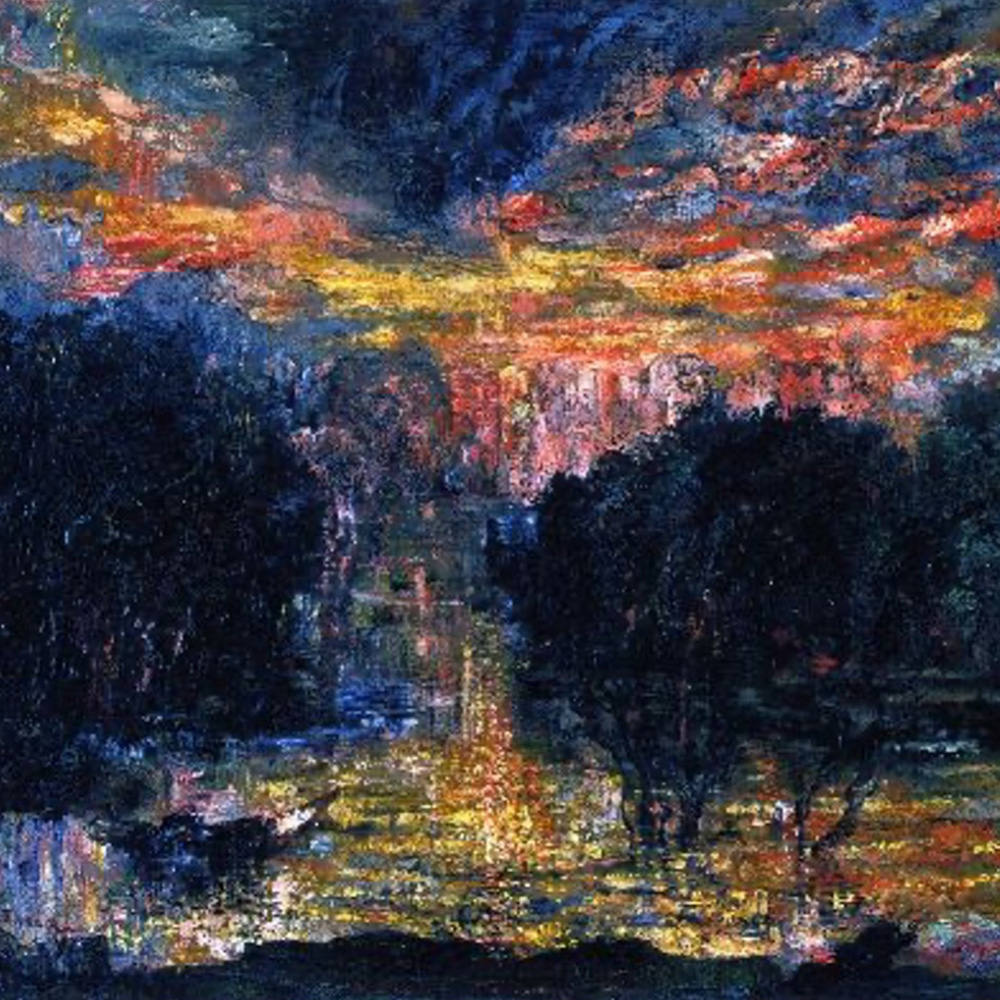
Email Inquiries about availability, scheduling and prices.

Writing Process
Personal statements—undergraduate, graduate, professional development
Practice test preparation; essay writing—GRE, SAT, Review and Editing Services
College applications

Spoken words
English lessons
Private courses; individually designed
Conversational practice
Interview preparation

Syllabi Samples (WIP)

Dreams and Modernism: Mystic Painters and Aesthetic Experience
‘I am the contemporary of tomorrow.’ – Clarice Lispector

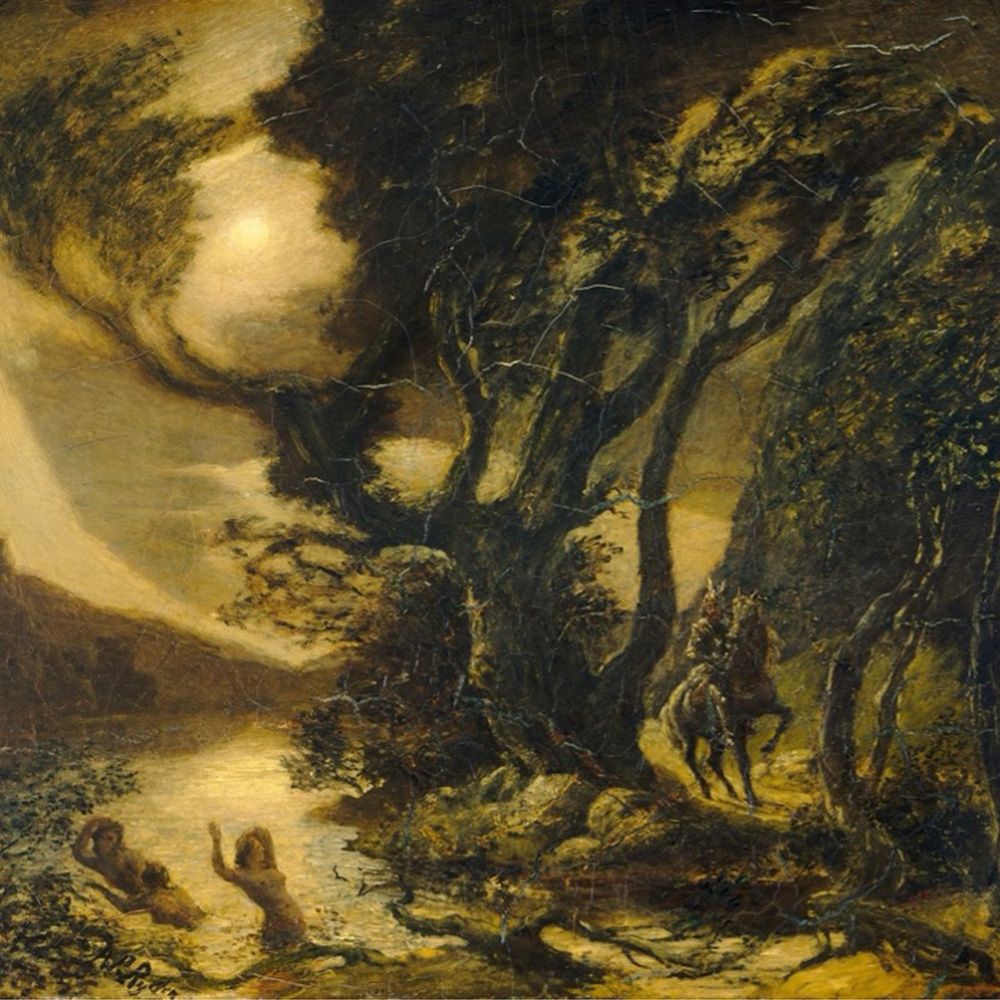
What is the relationship between dreams and modernism? How did representation transform itself during the first half of the 20th century? And why in this crucible of time is the U.S. a particularly unique landscape for addressing questions of imagination and myth, horror and transcendence, creativity and aesthetic praxis. These concerns are the pillars of inquiry for the course. Chronologically structured, the world of dreams and artistic visionaries tell a story of ecstasy and melancholia; a historical worldscape equally replete with both the uncanny and the everyday, the sublime and the abject.

Situated primarily in America—across various geographies, communities, ethnicities, and power-structures—we explore a shifting cultural landscape wherein memory and history, identity and longing, trauma and community configure. Not merely a topical regurgitation of canonized artists, however, this course offers students an intellectual platform to engage with lesser-known figures in the history of art—their emotive and pathos rich (often-marginalized) artworks. Artists such as Martin Johnson Heade, Anne Brigman, Giorgio Di Chirico, Charlie Chaplin, Charles Burchfield, Florine Stettheimer, Joseph Cornell, Maya Deren and others make appearances. Short stories and poems from Pauline Hopkins, Herman Melville, Hart Crane, and Djuana Barnes texture the scene. The class will also explore European artists such as James Ensor, Henri Matisse, Sergei Eisenstein, Max Ernst, Kurt Schwitters, Marcel Duchamp.

Photography, Trauma and War: A History of Catastrophe and Aesthetics
‘Whoever walks on his head has the sky as an abyss beneath him.’ – Paul Celan

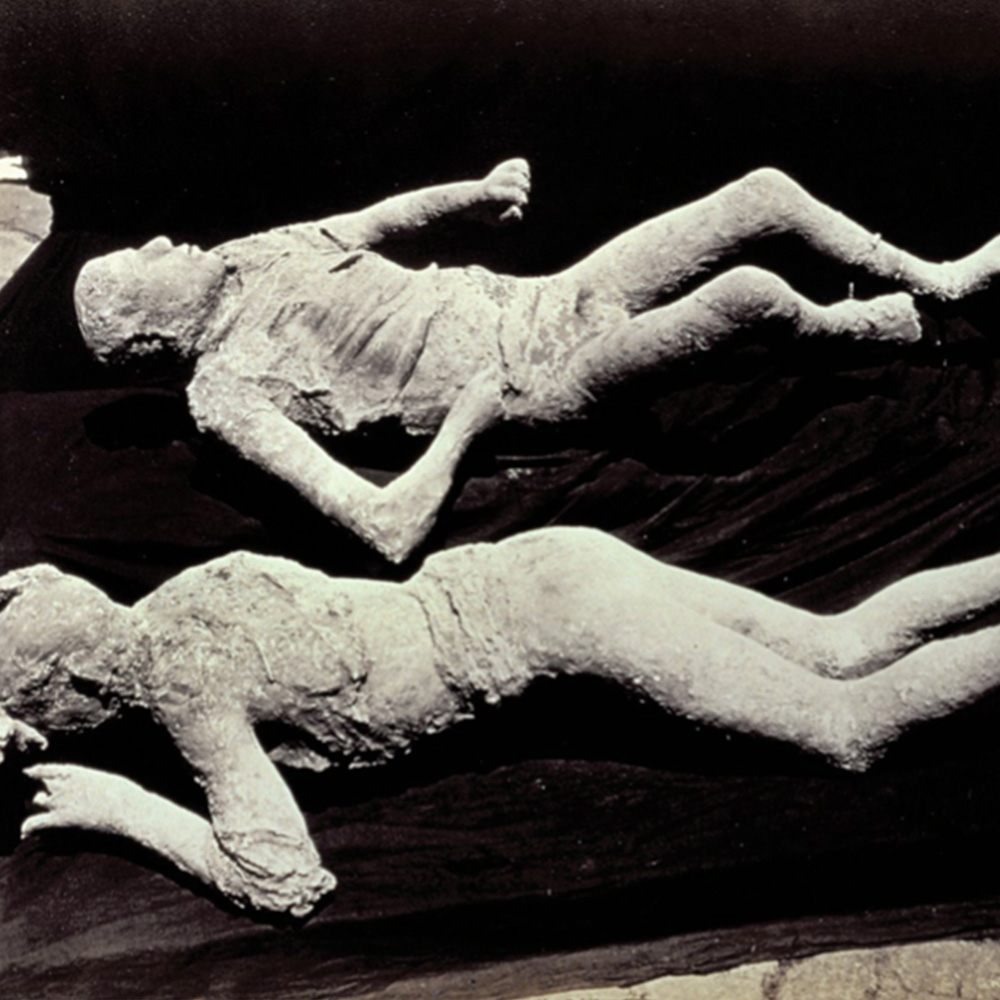
This course explores the history of photography with a focus on iconic pictures that shaped the medium. How in the mid-19th century did photography emerge as a media channel for picturing the world? In what ways are violence, war, and technology imbricated in the earliest records of photography? What is photography’s relationship to the real? To memory, history, and the viewer? What makes a ‘good’ photograph and how ought we to describe the ethics of looking? We consider both the shifting ethos of representation as well as various disjunctive ruptures in the history of photography.
The photographers and photography considered in the class range from the historically renown to the obscure: Matthew Brady, Pierre Gentieu, Alfred Stieglitz, Margaret Bourke-White, Robert Capa, Robert Frank, Malcolm Browne, Diane Arbus, Nick Ut, Francesca Woodman, Eugene Smith, Nan Goldin, Allan Sekula, An My Lê, Diana Lawson and Rineke Dijkstra note some of the artists who comprise this drama of pictures. A slew of unknown annonymous photographs as importantly construct the course. Relatedly, a cohort of critics theoretically orient the material: Ariella Azoulay, Ulrich Baer, Walter Benjamin, Eduardo Cadava, Margret Iverson, Alexander Nemerov, Susan Sontag.

Following the language of Roland Barthes—perhaps the most consummate photographic critic of the 20th century, his text Camera Lucida—our first sojourn into the history of daguerreotypes situates affect as a central pillar in the course. As a starting point for the course, we acknowledge not only the documentary impulse (archival record) of photography, but as significantly recognize the melancholic, spectral nature of the medium. In this way, photographs are more than mere illustration or documentary record, archival text or historical visual description. Most importantly, we explore the haunting ontology of photographs, emphasizing the uncanny language of photography’s there-ness and its ongoing relations to the world.

Abstract Expressionism and The New York School

What was Abstract painting? Why in the wake of WWII did abstraction seem to offer artists a more direct and urgent relationship to the world? And how did Abstraction Expressionism become the fundamental mode of representation in the mid-20th century? These questions and others direct the topics of this class. More specifically, the course explores the development of American abstract painting—with a focus on large-scale paintings made between the 1940s-1970s. We look closely at monumental works of art created during this epoch and explore the zeitgeist of creative expression fomenting around the second world war.
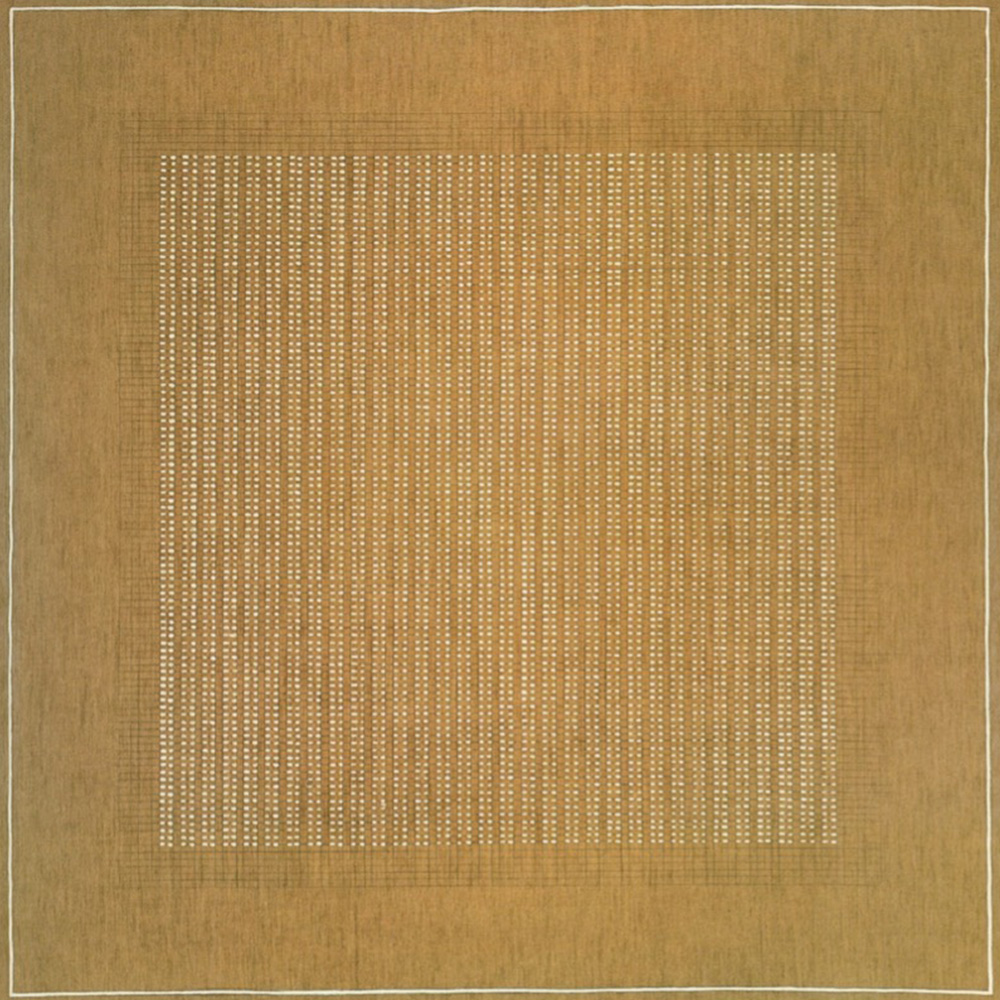
The master paintings of Jackson Pollock, Mark Rothko, Agnus Martin, Willem de Kooning, Helen Frankenthaler, Arshile Gorky, Joan Mitchell, Cy Twombly, Melvin Edwards, Cleve Gray and others help guide us through the extraordinary turn toward abstraction. While the vanguard scene of New York (downtown) is the epicenter of our cultural investigations, a swath of off-the-grid places and global sites of fracture further complicate the historical narrative of Abstract Expressionism. British Guiana, post-war Japan, and 1960s Italy are but a few of these sites. What were the economic, political and cultural stakes of Ab Ex painting—a dramatic and comprehensive shift away from figurative representation, genre pictures, and the epicenter of Europe (Paris)? How did traditional and codified modes of painting transform within the wider milieu of abstract art practice?

Although the course is most essentially committed to the process of close looking at paintings (and sculpture) and their allied historical context, the wider arena of Life is a central guidepost. Memory, History, and the Social are our most palpable interlocutors. Abstraction beseeches questions of contemporary living: the role of authenticity. What remains beneath the veil of techne, farce and surveillance capital for the experimental artist today? Is it possible for painting today to touch the real? In this way, our course and abstract painting is continuously situated (-re) within the volatile mid-20th century context: global Fascism, catastrophes of WWII, death camps; the Hollywood industry and ubiquitous presence of celebrity culture; genocide and atomic realities/sensibilities; the nascent cold war; vanguard Beat literature and the radical protest culture of the 1960s; the U.S. war in Vietnam; the American Indian Movement. These historical situations and others situate the landscape of artmaking. More too, we will ask questions about contemporary cultural events and their relations to the past.

Buddhism in Modern Vietnam: Photography, Ecology and Colonial Resistance

This undergraduate course explores the history of nineteenth and twentieth century Vietnamese Buddhism through a lens of ecocriticism, religious studies, and art history. Beginning in central Vietnam at the turn of the 19th century, our origin point is the rise to power of the Nguyen Dynasty. The various emperors and ruling family’s general apparatus of power—their multifarious attempts to unite the nascent Vietnamese nation space, decisive construction of an imperial palace at Hue in 1802, and eventual solidification of a national language—help to configure the ground of this early modern history of Buddhism in Vietnam.

As a transdisciplinary course in the humanities, we will explore the meaning of Buddhist cosmology and the contentious definitions of native Vietnamese culture. In doing so and throughout this tale of religion and resistance, the thresholds of spiritual identification, stakes of local vernacular architecture, and revolutionary role of Buddhist monks in twentieth century anticolonial campaigns for self-governance and freedom will take center stage.

Moreover, the syllabus is uniquely designed through both a collection of pictorial materials and historical scholarship. While chronologically following a linear narrative, the central historical method of investigation each week will focus on the visual, highlighting an array of images. Presented first in lecture, the pictures will trace the historical context of Vietnamese Buddhism in dialogue with the immediately related readings; as importantly, this art historical insight will reveal how visuality—its nearness to spirituality, potent iconography and ruinous record—is likewise imbued with its own dense historical pathos.

American Art 1913? (1898)-1945: From Dreams to Empire, Vernacular to Modernism

What was American art? How did representation transform itself during the early 20th century? Why are 1913 (1898) and 1945 pivotal dates in the wider landscape of history and picture-making in America (perhaps even globally too)? These kind of critical questions and others are the pillars of inquiry in this class. Memory and history, art, identity, ethnicity and trauma are the themes that outline the course. We begin at the turn of the century and discover a novel worldscape of artmaking throughout the first half of the 20th century.

Historically bookended by major events, the course is chronologically structured: painting, photography, literature, film and sculpture tell this motley kind of story. The relationship between Life and Art (and/or lack of any relation) are the paramount considerations, as are questions of subversion and subterfuge, social chaos and democracy, race relations, patriarchy, inequality, and the interfolding of power structures.

Not merely a topical regurgitation of canonized American artists, this course offers students an intellectual platform to engage with lesser-known artists—their emotive and significant (albeit often marginalized) artworks. Situated in situ across various American geographies, communities, ethnicities, and power-structures, we therefore approach the shifting cultural landscapes of America in all its heterodox dichotomies and dreamscapes, contestations and fractures. Most generally, American art tells a story of displacement and fragmentation wherein the provincial meets the universal, rural sees urban, figuration shifts toward abstraction, and medium specificity (i.e., photography and painting) encounters gaps, elisions and fissures.

Conor Lauesen, PhD
Educator, translator
Writer, historian
claues@saic.edu